

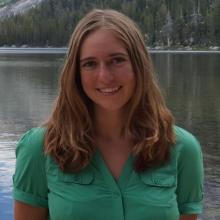
Caitlin Taylor
Postdoc, Stanford University
Histone deacetylase inhibition expands cellular proteostasis repertoires to enhance neuronal stress resilience
Bio
Caitlin Taylor is a postdoc in Kang Shen's lab in the biology department. She is broadly interested in neuronal cell biology and membrane trafficking. Her work in the Shen lab focuses on resilience to neuronal stress during development.
Abstract
Neurons are long-lived, terminally differentiated cells with limited regenerative capacity. The maintenance of proteostasis and membrane protein trafficking is essential for neuronal function throughout development and aging. Cellular stressors, including endoplasmic reticulum (ER) protein folding stress and endosomal membrane trafficking stress, accumulate as neurons age and correlate with age-dependent neurodegeneration. However, how neurons coordinate stress responses across diverse cellular perturbations remains poorly understood. Here we demonstrate that histone deacetylases (HDACs) constrain the flexibility of neurons to engage distinct molecular pathways in response to different types of stress. Genetic or pharmacological inhibition of class I HDACs enhances neuronal resilience to both ER protein folding stress and endosomal membrane trafficking stress in C. elegans and mammalian neurons. RNA sequencing analyses in C. elegans, mouse, and human iPSC-derived neurons reveal that HDAC inhibition makes neurons more developmentally plastic and induces a permissive transcriptional state that likely represents partial cell fate reprogramming. These transcriptomic changes enable neurons to activate latent proteostasis pathways tailored to the specific nature of the stress. Given the growing excitement around partial reprogramming as a strategy to reset the epigenetic clock, our findings establish a direct link between epigenetic modulation and the neuronal stress response, pointing to new therapeutic strategies for enhancing neuronal resilience in aging and disease.
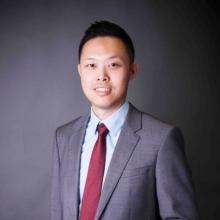
Xiqian Jiang
Research Scientist, Stanford University
Dissecting Pathologic Circuits in Parkinson's Disease to Develop Cell-Type-Specific Therapeutics
Bio
Dr. Jiang is a research scientist in Professor Mark Schnitzer’s lab at Stanford. His work focuses on developing innovative imaging and omics-based technologies to uncover the molecular mechanisms underlying functional neural circuits. He is particularly interested in cross-modality alignment methods that link neuronal identity across datasets, and in applying these tools to study motor control and neurological disorders, including Parkinson’s disease.
Dr. Jiang brings a highly interdisciplinary background to his research. He received his Bachelor’s degree in Chemistry from Peking University and earned his PhD in Pharmacology at Baylor College of Medicine, where he developed molecular sensors for studying redox biology and cancer. He later transitioned into neuroscience during his postdoctoral training at Stanford, where he began integrating molecular and systems-level approaches to study brain function."
Abstract
A major challenge in neuroscience is linking the activity patterns of individual cells in vivo to their molecular attributes measurable ex vivo. To enable routine, multimodal investigations of cells’ in vivo dynamics and molecular content, we developed TRU-FACT (Total Registration Under Functional Activity, Connectivity, and Transcriptomics), a broadly applicable experimental and computational pipeline for registering large populations of individual cells across intravital imaging, connectivity profiles, and the corresponding spatial biology datasets. TRU-FACT combines a mechanical workflow that preserves tissue architecture with a computational pipeline, Soma-print, for accurate multimodal registration across datasets. We then applied this approach to Parkinson’s disease (PD), a circuit disorder in which dysfunction across specific neuronal populations drives motor impairment. Using TRU-FACT in PD model mice, we identified disease-relevant neuronal subtypes and studied how their activity is altered in the disease. We also began to test strategies in the affected subtypes of neurons in hopes of restoring their normal function. This work established a general framework for linking neural dynamics to cell identity, while also opening a path toward cell-type-specific therapies for PD that may be more precise and effective.
About the Series
The first Monday of each month, the Knight Initiative for Brain Resilience will host monthly seminars to bring together awardees, affiliated professors and students for a series of 'lab meeting' styled talks. Two speakers will discuss their brain resilience research, experiences in the field, and answer questions about their work.
To support our researchers' participation in this open science ‘lab-meeting style’ exchange of ideas, these seminars are not streamed/recorded and are only open to members of the Stanford community.