

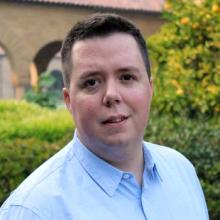
Ted Wilson, PhD
Instructor, Stanford University
Unveiling early Alzheimer’s: biomarkers and breakthroughs on the path to brain resilience
Recent advances in neurodegenerative disease diagnostics now enable detection of disease processes decades before symptoms appear, transforming our ability to study the earliest phases of neurological decline. This new era leverages cutting-edge in vivo technologies, providing unprecedented opportunities to map the emergence and progression of neurodegenerative changes. Our research utilizes these tools to uncover novel biological pathways involved in the initial stages of disease.
Through analysis of biomarkers from older adults and individuals with Alzheimer’s disease, we systematically investigate biological pathways linked to early disease changes. These efforts have prompted a reassessment of the classic sequence of molecular and cellular events in Alzheimer’s disease development. By gaining a deeper understanding of how these clinical biomarker profiles reflect underlying biology, we aim to identify new, actionable intervention points for early diagnosis and risk stratification.
A series of vignettes demonstrating the broad utility of blood-based biomarkers in varied neuroclinical settings will illustrate the clinical impact of these discoveries. These examples emphasize the potential of biomarker-driven approaches to enhance brain resilience and facilitate precision medicine strategies for neurodegenerative disorders.
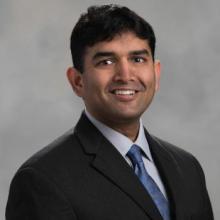
Raag Airan, MD, PhD
Assistant Professor, Stanford University
Ultrasonic debris clearance for improving neurofluid flow and decreasing neuroinflammation
Debris accumulation in the brain may be causally related to the neurologic decline of aging and neurodegeneration, and poor recovery from stroke and traumatic brain injury. We have developed a low-intensity, focused ultrasound protocol that noninvasively clears debris from the central nervous system into the lymphatic system of the body. Using two models of hemorrhagic stroke, we observed clearance of hemorrhage from the nervous system, with accumulation of the debris in the deep cervical lymph nodes via meningeal lymphatics. To induce this effect, ultrasound activates mechanosensitive channels expressed by nervous system cells, with accompanying decreased neuro-inflammation and also increased expression of water channels along the vasculature, which permit this increased fluid flow. In the stroke models, this treatment lowered cell death and brain edema while increasing functional recovery and survival. This protocol requires no invasive device implantation and does not require the subject to be awake or neurologically intact for its efficacy. Also, it does not carry the risk of systemic toxicities that accompany drug therapies. Underlining its clinical translatability, the ultrasound intensities necessary for its efficacy are within FDA guidelines for safe ultrasound application. We anticipate opening a first-in-human early feasibility trial of this protocol in early 2026.
CLICK TO DOWNLOAD EVENT POSTER
About the Series
The Knight Initiative for Brain Resilience hosts monthly seminars to bring together grant awardees, affiliated professors and students for a series of 'lab meeting' styled talks. Two speakers will discuss their brain resilience research, experiences in the field, and answer questions about their work.
To support our researchers' participation in this open science ‘lab-meeting style’ exchange of ideas, these seminars are not streamed/recorded and are only open to members of the Stanford community.