

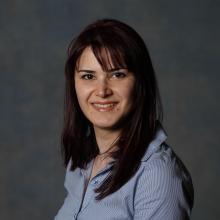
Shagayeg Navabpour
Postdoctoral Researcher, Department of Psychiatry and Behavioral Sciences, Stanford University
Integrative Mental Health Laboratory (IMHL) [Duncan Lab]
From Genetic Risk to Brain Cell Types: Insights from Psychiatric and Neurodegenerative disorders
Bio
Shagayeg Navabpour is a Knight Initiative Brain Resilience Postdoctoral Fellow at Stanford’s Wu Tsai Neurosciences Institute, where she works with Dr. Laramie Duncan in the Department of Psychiatry and Behavioral Sciences.
She earned her BS in Biology and MS in Physiology from the University of Tehran, where she studied the endocannabinoid system in reward learning. After investigating genetic variation and brain structure in chimpanzees at Georgia State University, she completed her PhD in Translational Biology, Medicine, and Health at Virginia Tech with Dr. Timothy Jarome. Her doctoral research examined the molecular mechanisms of fear-memory formation, including epigenetic and chromatin dynamics and ubiquitin signaling.
Now working at the intersection of human genomics and single-nucleus and spatial transcriptomics, Dr. Navabpour maps genetic risk for psychiatric and neurodegenerative disorders onto specific human brain cell types. Across her experimental and computational work, she is guided by a central question: Why are particular brain cells, and particular individuals, vulnerable to disease while others remain resilient?
Shaghayegh has mentored undergraduate students at Stanford, Virginia Tech, and University of Tehran. She is also an actor and theater producer who explores the performing arts as a way to communicate neuroscience.
Abstract
Genome-wide association studies (GWAS) have identified many regions of the genome associated with brain disorders, but these findings do not directly reveal where in the brain genetic risk acts. Recent single-nucleus transcriptomic atlases provide an opportunity to connect genetic associations to the molecular profiles of precisely defined human brain cell types.
In this talk, Dr. Navabpour will describe an approach that integrates genome-wide association results with cell-type-specific gene expression across the human brain. Using psychiatric disorders as examples, she will show how this framework can move from broad genetic associations to specific neuronal populations and the brain regions in which they are found. She will then place these findings in the broader context of neurodegenerative disease. In Alzheimer’s disease, genetic risk points strongly toward microglia, highlighting the importance of non-neuronal immune mechanisms. In Parkinson’s disease, the strongest signals are concentrated among neuronal populations found primarily in the basal ganglia, as expected, but with newer brain atlases allowing these populations to be characterized at increasingly precise levels.
Together, these examples demonstrate how mapping genetic risk to specific human brain cell types can provide a biologically meaningful bridge from genetic risk to disease mechanism and help prioritize cellular systems for further investigation and opens up new avenues for better targeted therapeutic strategies.
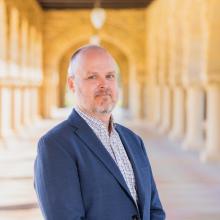
Scott Dixon
Prof. Scott Dixon, Department of Biology, Stanford University
Regulation of non-apoptotic cell death by disease-associated genes in the endolysosomal network
Bio
Scott is a Professor in the Department of Biology. As a postdoctoral fellow at Columbia University, he trained as a cell biologist and chemical biologist and helped discover the process of ferroptosis. His lab is currently focused on the regulation of non-apoptotic cell death in various disease contexts.
Abstract
The endolysosomal system is necessary for proper protein sorting and disposal. Mutations in various endolysosomal genes can contribute to neurological disease. We find that some of these genes, including CLN1 (PPT1) and DNAJC13, are important regulators of a novel form of non-apoptotic cell death termed lipid-dependent necrosis. I will present our latest insights into the nature of this unusual lethal mechanism and how disease-associated genes modulate cell death. Our results could help understand how these mutations contribute to cell death in the nervous system.
About the Series
The first Monday of each month, the Knight Initiative for Brain Resilience will host monthly seminars to bring together awardees, affiliated professors and students for a series of talks. Two speakers will discuss their brain resilience research, experiences in the field, and answer questions about their work.
To support our researchers' participation, these seminars are not streamed/recorded and are only open to members of the Stanford community.