


The Knight Initiative for Brain Resilience’s Spring 2026 Symposium kicked off with a major announcement: a five-year, $90M gift from Penny and Philip H. Knight, MBA ’62, that will fund the initiative’s ongoing mission to understand what makes some brains resilient to the stresses of aging and what could be done to extend that resilience to more people.
“We are incredibly grateful to the Knight family to be able to continue this effort to understand brain resilience,” said Knight Initiative Director Tony Wyss-Coray, the D.H. Chen Distinguished Professor II, and a professor of neurology and neurological sciences at Stanford Medicine.

From there, the meeting launched straight into the cutting edge of brain research. Nir Barzilai, the director of the Institute for Geroscience at Albert Einstein College of Medicine and a member of the Knight Initiative’s Scientific Advisory Board, joined four Knight Initiative researchers to update the community on drugs and other interventions that could slow cognitive decline, how the immune system does (or doesn’t) keep the brain sharp, and more.
Below are some highlights of the day’s presentations and posters.
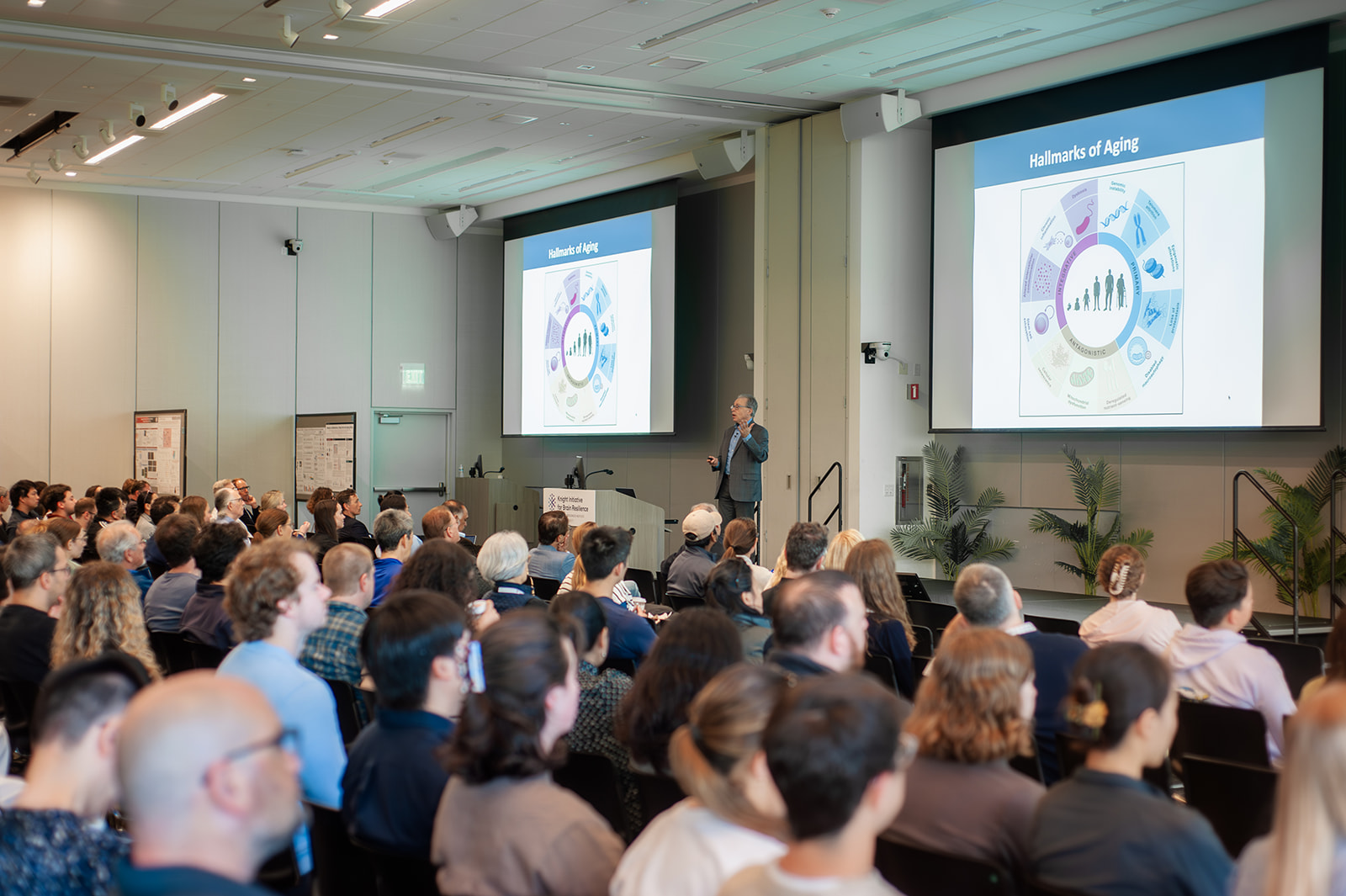
Barzilai, who is also the Ingeborg and Ira Leon Rennert Chair in Aging Research and a professor of medicine and of genetics at Einstein, started off with a bold title: “How to die young at a very old age.” He and his lab are following more than 850 centenarian families – a person over the age of 100, their spouse, and their children – to discover what genetic variants slow their aging. His team’s findings, he said, have already helped identify FDA-approved drugs that proactively preserve health and brain resilience into old age. “Our resolution is treating your health rather than treating disease,” he said.
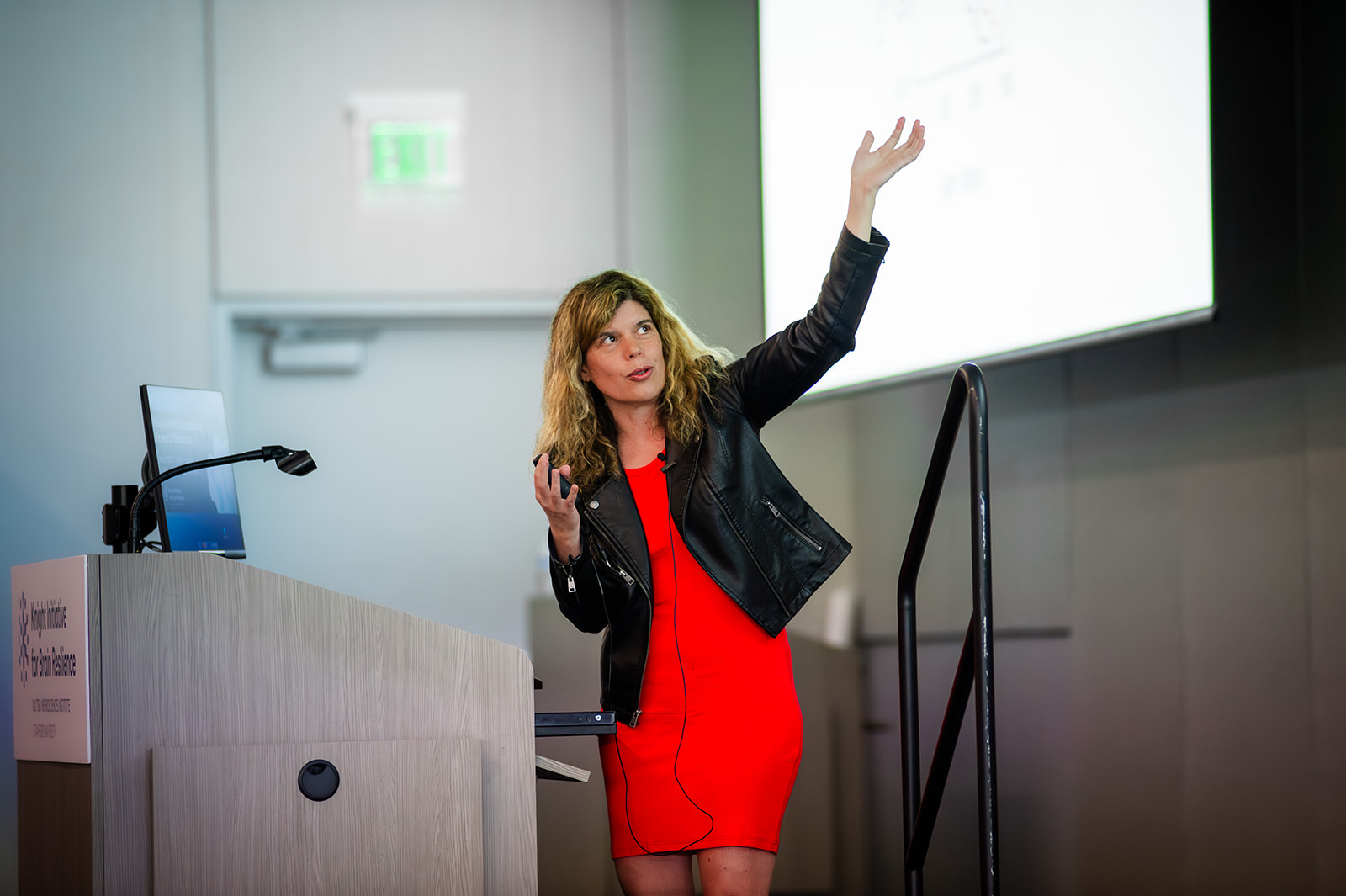
Anne Brunet, the Michele and Timothy Barakett Endowed Professor of Genetics in the Stanford School of Medicine, and a member of the Knight Initiative Steering Committee, led with a provocative question: “Can we predict how long an individual has left to live solely based on behavior?” Drawing on studies of the short-lived African killifish, which her lab has pioneered as a powerful model of the biology of aging, Brunet and colleagues recently showed they could forecast lifespan based on sleep and other behaviors at midlife. Now, with ongoing support from the Knight Initiative, the Brunet Lab is working to understand whether they could use behavior as a lever to modify lifespan trajectories to achieve brain resilience and counter dementia. “Perhaps we could switch a short lifespan trajectory to a longer one,” Brunet said.
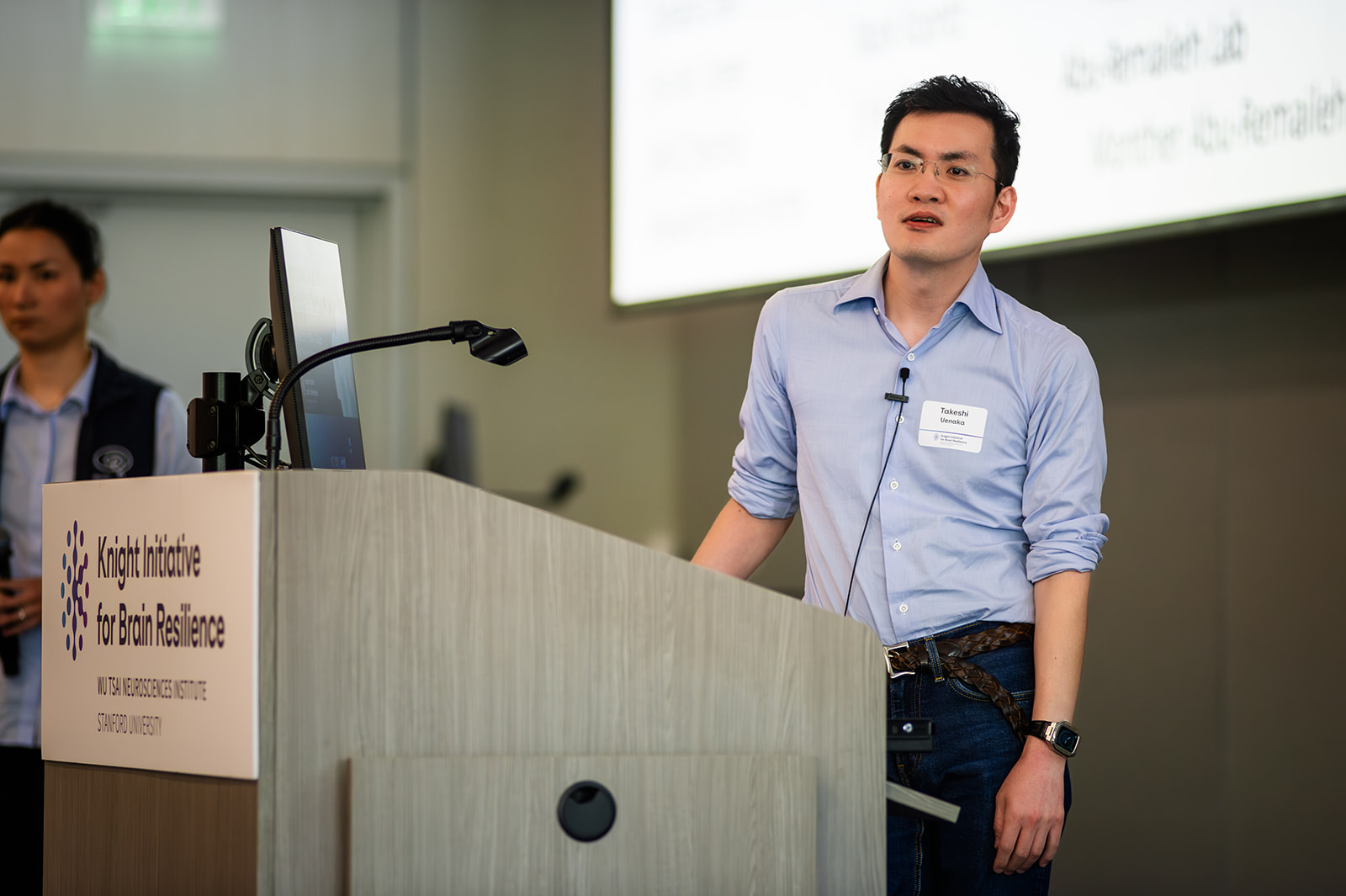
Microglia, the heart of the brain’s immune system, are essential to brain health and resilience, but they’re technically challenging to study, said Takeshi Uenaka, a basic life research scientist at Stanford Medicine’s Institute for Stem Cell Biology and Regenerative Medicine and a past Brain Resilience Postdoctoral Scholar supported by the Knight Initiative. The problem is that mice, our frequent stand-ins in early-stage biomedical research, have rather different microglia compared to us. To address that, Uenaka grew a mix of human neurons, microglia, and support cells called astrocytes in the lab, revealing new interactions between the three cell types and creating a new platform for studying neurodegenerative disease. “I believe this is an ideal platform for studying cell-cell interactions,” Uenaka said.
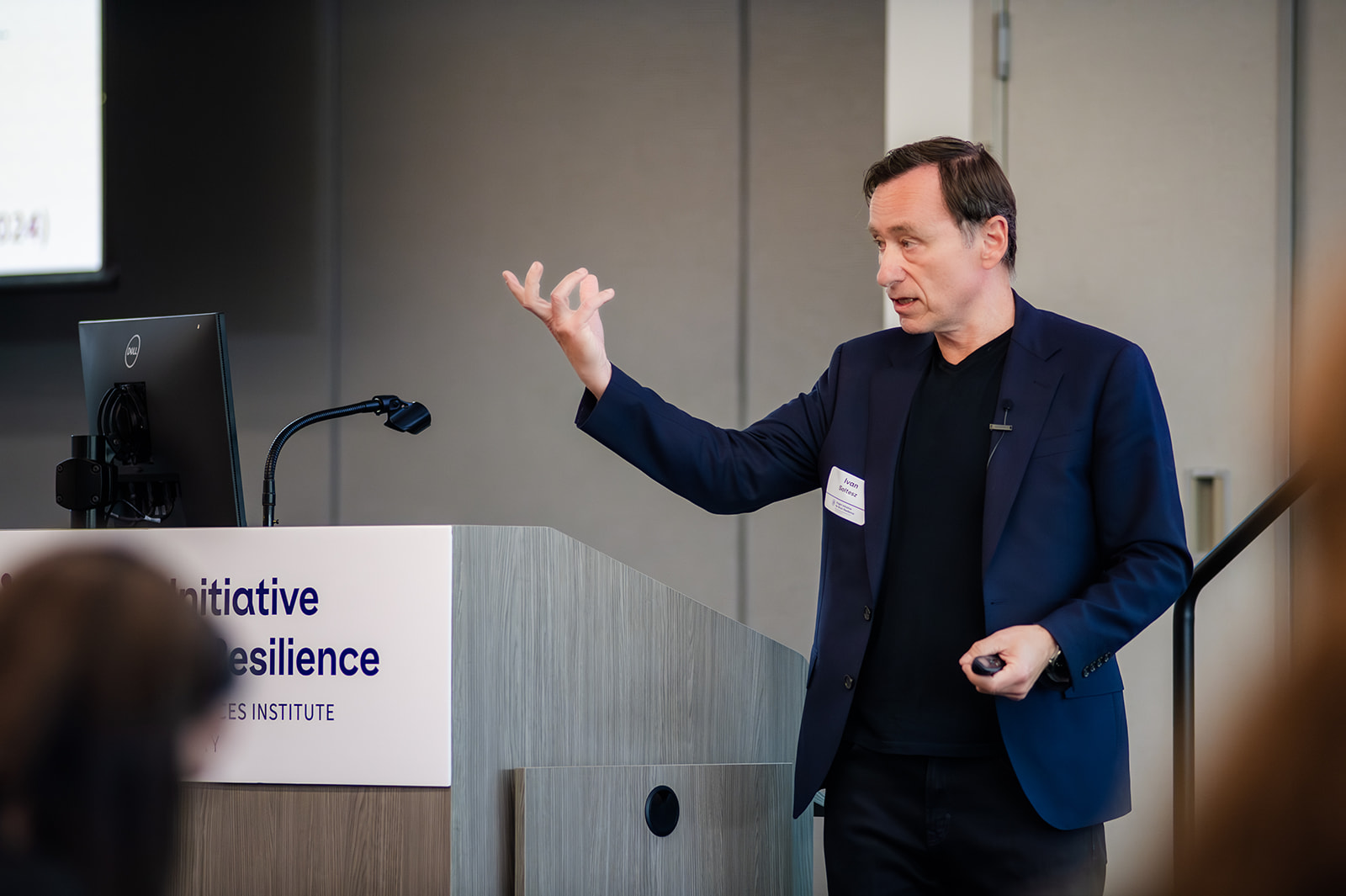
Ivan Soltesz, a professor of neurosurgery and neuroscience at Stanford Medicine, took on a less-obvious issue in brain aging and health: growing evidence of a reciprocal relationship between Alzheimer’s disease and epilepsy and what this relationship might reveal about the two. In particular, his lab studies electrical events called interictal epileptiform discharges (IEDs), which are common in both epilepsy and Alzheimer’s disease. “IEDs hijack normal cortical processing,” Soltesz said. “We want to know if physiological events could forecast IEDs and if we could use that to intervene and block these discharges.” Indeed, recent experiments in Soltesz’s lab suggest that another electrical event, called a dentate spike, can predict oncoming IEDs. Early results in mice show that researchers can use those predictions to prevent IEDs and potentially preserve cognitive functions such as memory formation, Soltesz said. The Knight Initiative community played a crucial role in those findings, Soltesz said. “I never studied aging or Alzheimer’s in my lab before. It is entirely because of the Knight Initiative that we do so now, so thank you.”
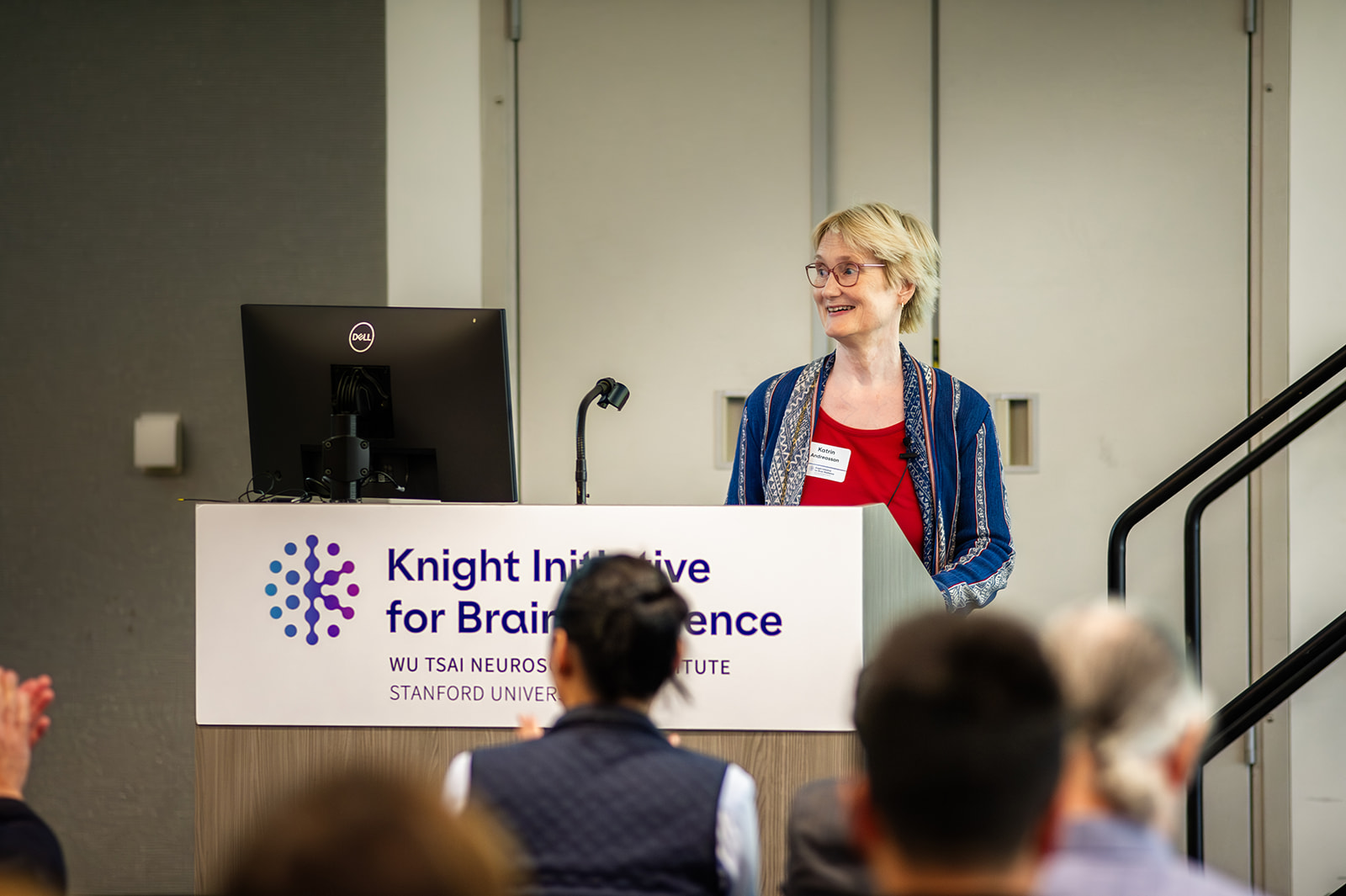
An emerging theme in Knight Initiative research is the role that immune-system metabolism plays in brain health. Katrin Andreasson, the Edward F. and Irene Thiele Pimley Professor of Neurology and Neurological Sciences at Stanford Medicine, explained that as we age, our immune cells’ both become more irritable and drop the ball on their normal jobs. “You can’t clear dead cells. You can’t clear pathogens,” Andreasson said, problems that lead to chronic inflammation and declining brain function. But, she said, early results in mice suggest it’s possible to reboot cellular metabolism, restoring immune cells’ ability to clean up the brain and improving memory and cognitive health. That suggests the exciting prospect of a new type of intervention that could reverse or prevent neurodegenerative disease, Andreasson said.
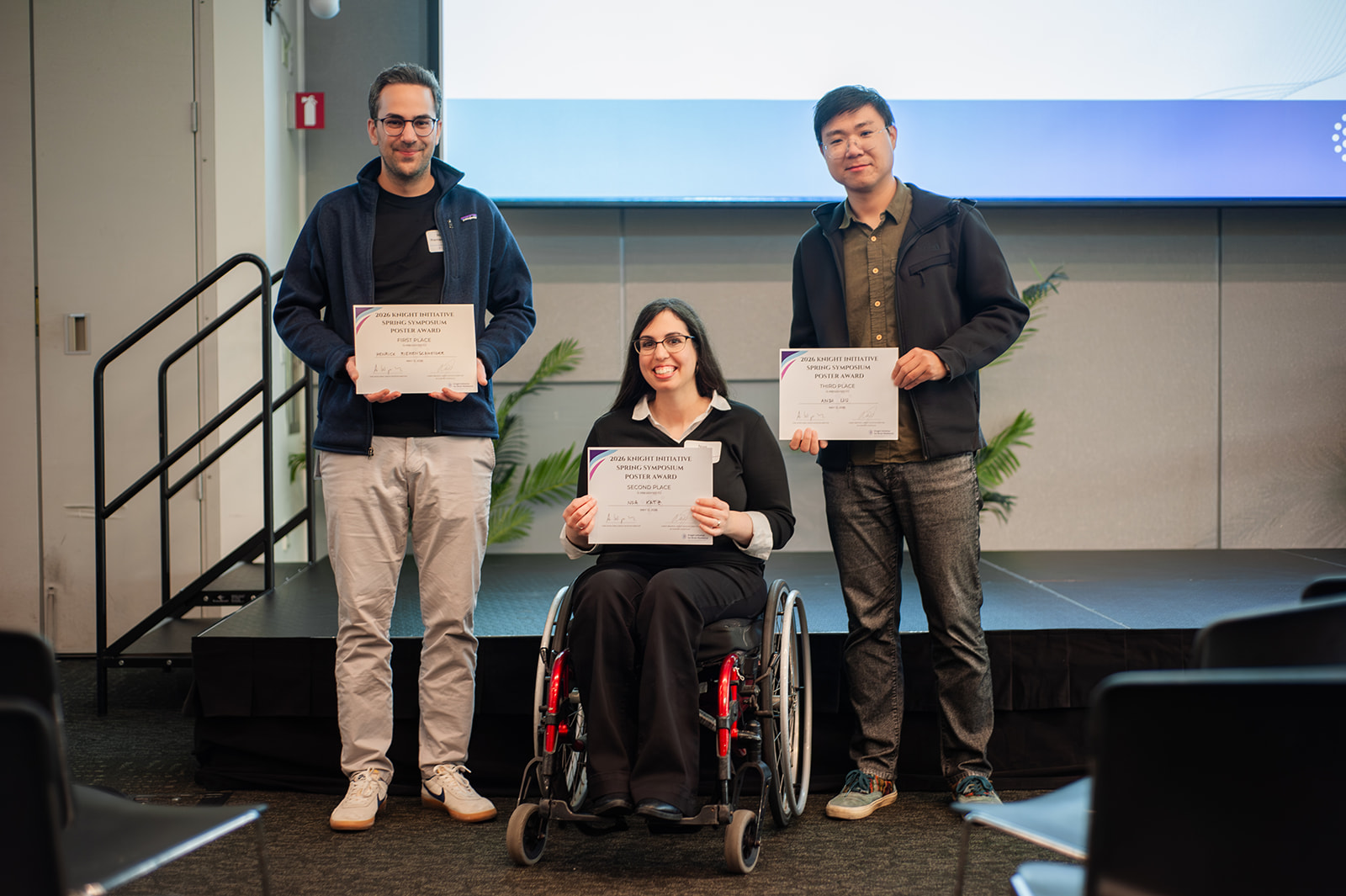
The Knight Initiative is a community effort, and its symposia are a chance to gather the brain resilience community to build cross-disciplinary relationships and pollinate ideas. As part of that, the symposium hosted a poster session and competition featuring more than 50 presentations from Stanford students, postdocs, and other scientists. Of those, a panel of judges awarded Henrick Riemenschneider’s top honors. Reimenschneider is a postdoc in the lab of Aaron Gitler, the Stanford Medicine Basic Science Professor in the Department of Genetics, where he is working to understand the role of intrinsically disordered RNA binding proteins in frontotemporal dementia (FTD) and amyotrophic lateral sclerosis (ALS).
Stanford Science Fellow Noa Katz, who works in the lab of Wu Tsai Neuro affiliate and Assistant Professor of Chemical Engineering Xiaojing Gao, took second place for engineering potentially safer gene therapies for Goldilocks-like brain development disorders, such as Smith-Magenis Syndrome, that are extremely sensitive to dosage. using biomolecular engineering, she developed a way to precisely control therapeutic gene expression despite the inherent cell-to-cell variability of gene delivery. Andi Liu, a researcher in the Knight Initiative’s Brain Resilience Laboratory, took third place for efforts to build a molecular atlas of human brain vasculature across multiple brain regions, providing a foundation for understanding vascular diversity and changes associated with aging and neurodegenerative disease.