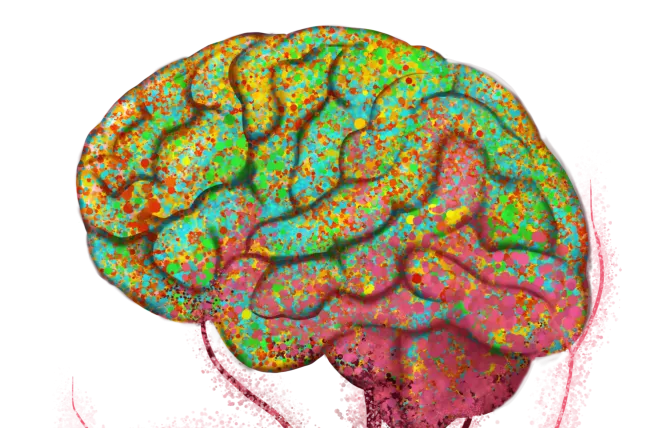
The discovery from an unusual team of computer scientists and pathologists overturns longstanding dogma – and could point the way toward new therapies for neurodegenerative disease
This week on From Our Neurons to Yours, we sit down with Stanford neurologist Kathleen Poston to learn about a sea change in our understanding of Parkinson's Disease.
We are proud to welcome the 2024 Neurosciences Postdoctoral Scholars — ten young scientists pursuing novel, multi-disciplinary approaches to understanding the workings of the brain.
The science to advance our understanding of the aging process—and to potentially slow it down—has made important strides. One of the leading scientists responsible for this work is Professor Tony Wyss-Coray, whose work has focused on brain aging.
Erin Gibson’s lab has discovered that the precursor cells to myelin-producing oligodendrocytes are regulated by the circadian system in mice. When that regulation breaks down, the researchers saw abnormal myelination — but also fragmented sleep.
Pathologist Siddhartha Jaiswal discovers a surprising twist to our biology: age-related mutations that increase the risk of blood disease also protect against brain disease.
With a new study published in Nature, Wu Tsai Neurosciences Institute researchers are helping to show that the cerebrospinal fluid that bathes our brains holds clues to healthy brain aging.
Katrin Andreasson discusses how immune cells can cause harmful brain inflammation and contribute to the development of neurodegenerative diseases like Alzheimer’s disease.